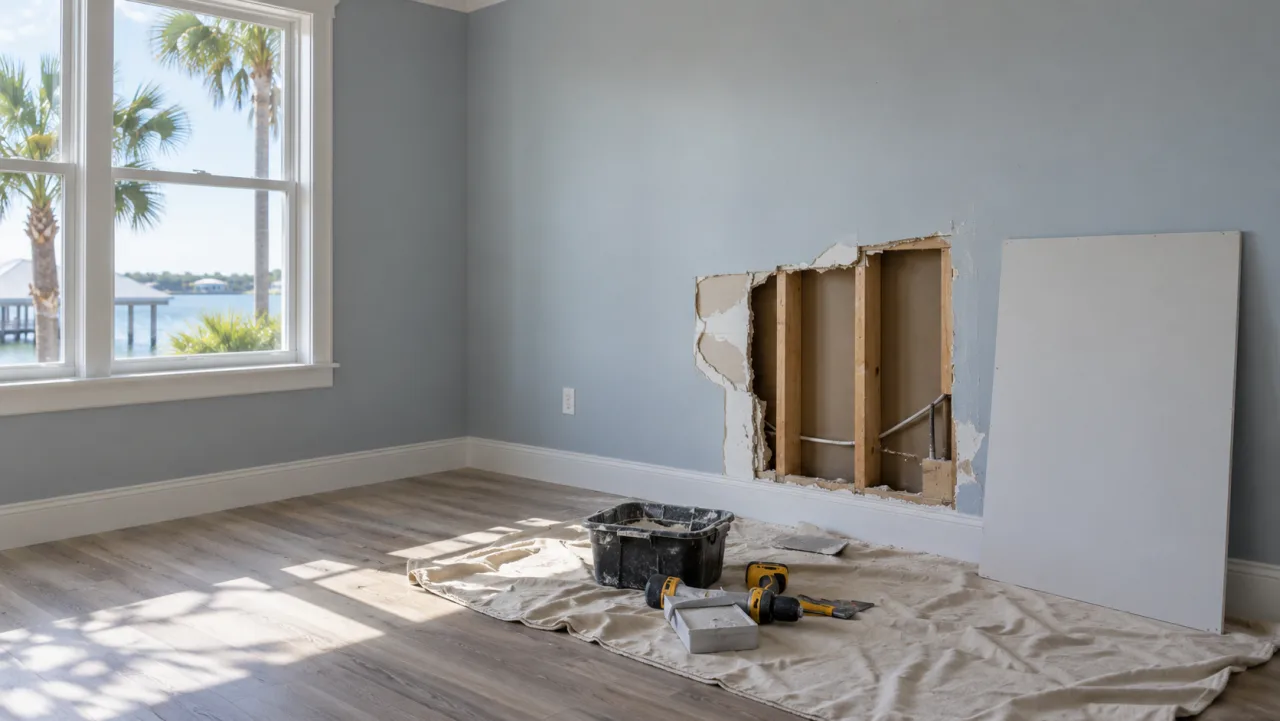
Wall repairs
Why Drywall Cracks and Nail Pops Keep Coming Back
A recurring crack often means the previous repair did not address movement, a weak joint or a loose fastening area. Filling the visible line alone may repeat the same result.
Read the pattern before covering it
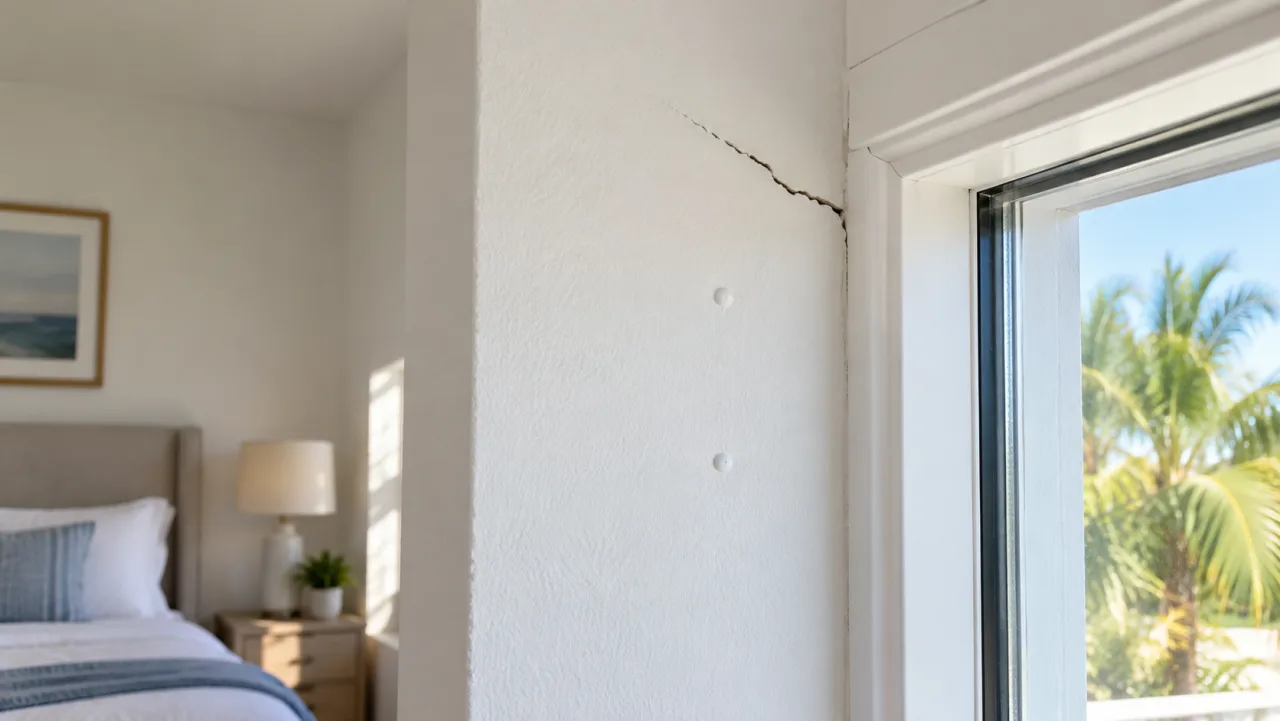
A straight line along a board joint, a small bump over a fastener and a crack extending from a door corner are not automatically the same defect. Record where each appears and whether it changes. A dated photograph is more useful than relying on memory. The pattern helps a contractor decide what to inspect, but it does not establish a structural diagnosis on its own.
Why cosmetic repairs can fail
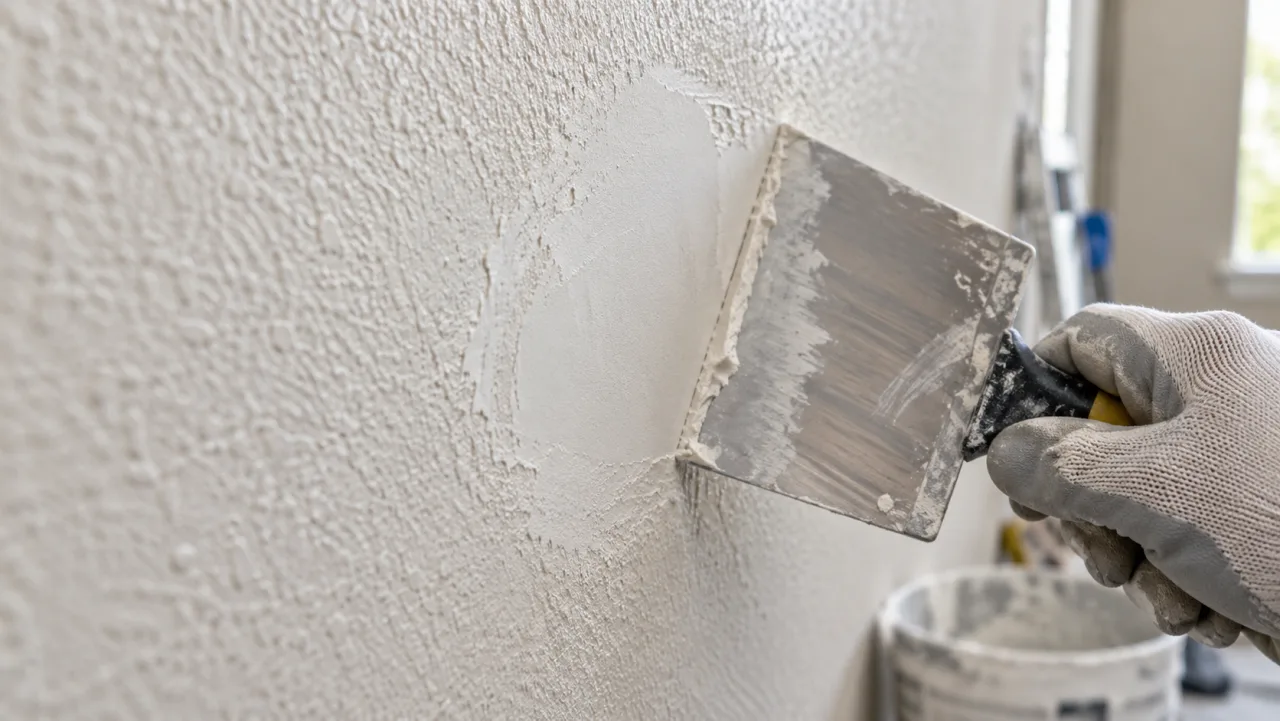
A finish layer depends on the material underneath. Loose tape, poor adhesion or movement can reopen a line through a new coat. The repair may need removal of failed joint treatment and attention to board attachment before the finish is rebuilt. Ask what the proposed method changes compared with the last repair rather than simply asking for thicker compound.
- RecordLocation and change over time
- InspectJoint, board and fastening
- CorrectAddress the underlying defect
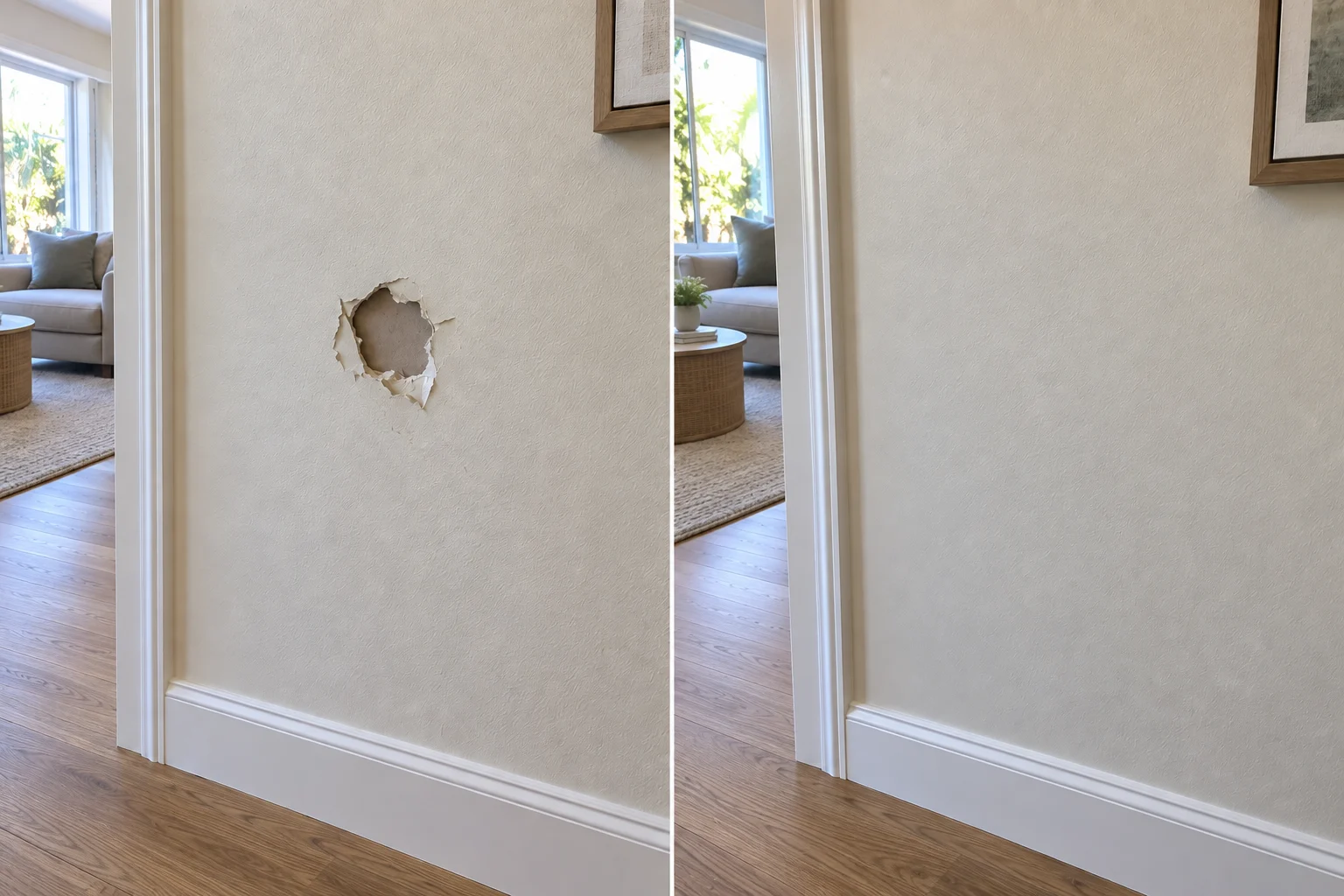
- RefinishBlend the repaired surface
Nail pops need assessment at the fastener
A raised spot may be associated with a fastener or board movement. Painting it or pushing it flush does not necessarily correct the condition. The contractor should examine whether the panel is secure and choose an appropriate fastening repair. Repeated rows of pops deserve a broader look than a single isolated blemish.
When another professional should look first
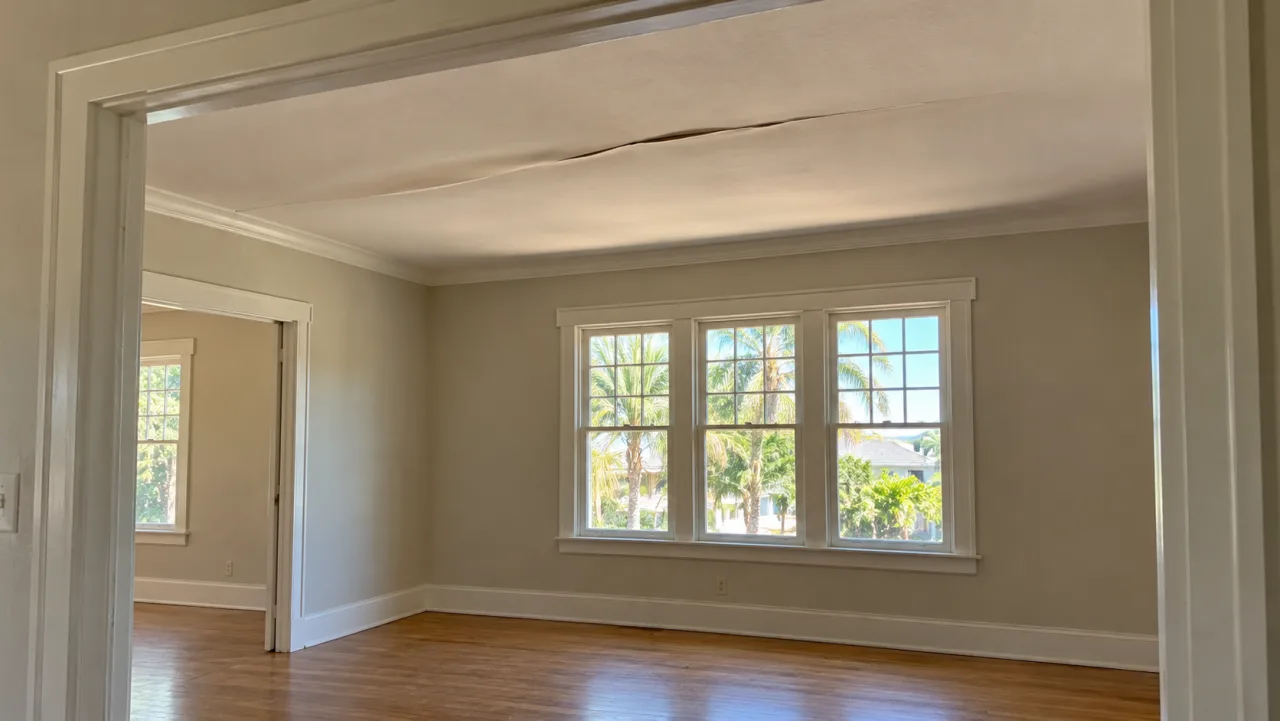
A new or rapidly changing crack, sagging material, doors that suddenly bind or other signs of movement warrant assessment of the underlying building condition. A drywall contractor can restore surfaces, but a cosmetic patch is not a structural evaluation. Explain any storm, leak or renovation history before agreeing to cover the area.
How to document the problem
Send one close photograph and one wide view that includes the nearest door, window or ceiling line. Tell us when you noticed it and whether it has been repaired before. If the line changes with seasons or after rain, include that history. For Sarasota homeowners, this information helps separate a straightforward finishing repair from a condition that needs investigation first.
What to send us
A few clear photos and these details help us understand your project:
- Wide view showing the crack path
- History of previous patches
- Whether the crack is changing
- Associated door, ceiling or moisture changes
Common questions
Are all drywall cracks structural?
No. Some involve joint treatment or surface movement, but appearance alone cannot rule out a larger issue.
Will stronger paint prevent a crack?
Paint is a finish. It does not repair a loose joint or correct the movement that reopens it.